
What Really Impacts the Engineering of a Pole Building?
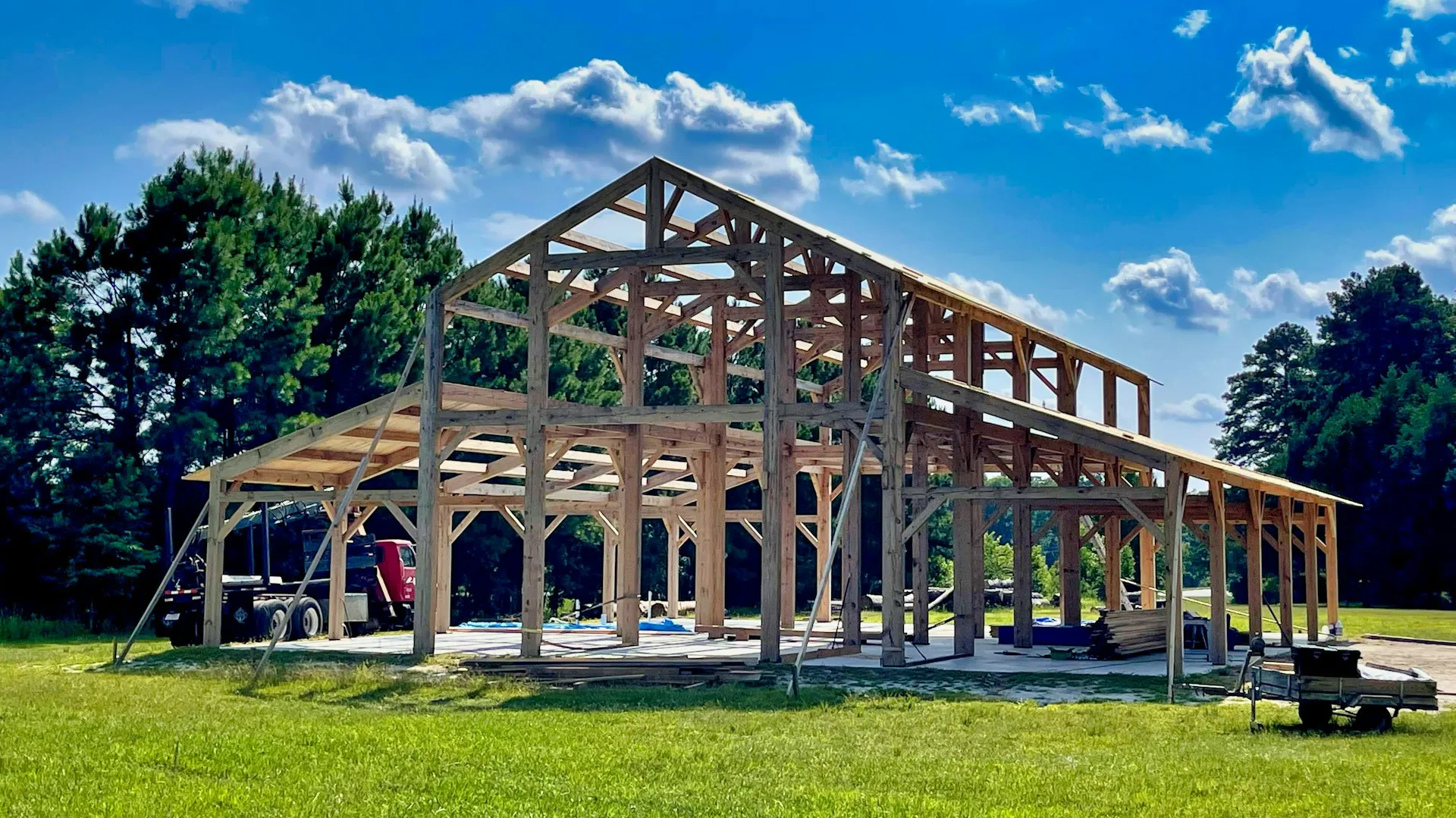
When people think about designing a pole building, they often assume it’s a simple, repeatable process. In reality, no two buildings are engineered the same. Every project involves a unique combination of site conditions, usage requirements, and structural demands.
At Woodrock Engineering, we design post-frame buildings across 40+ states, and we’ve seen firsthand how many variables can influence the final engineering.
Wind speeds, snow loads, and seismic conditions vary significantly depending on where your building is located. A structure in the Midwest faces different challenges than one on the East Coast or in a mountainous region.
Your foundation starts below ground. Soil bearing capacity, moisture content, and compaction all affect how posts and footings are designed. Poor soil can require deeper embedment or additional reinforcement.
A storage building, agricultural facility, and commercial workspace all demand different structural considerations. Interior loads, occupancy, and use directly impact framing and load paths.
Wider spans, taller sidewalls, and open floor plans increase structural demands. Clear-span designs especially require precise engineering to maintain strength without interior supports.
Large overhead doors or multiple wall openings interrupt structural continuity. These areas must be carefully reinforced to maintain building integrity.
Roof slope affects both aesthetics and performance. Steeper roofs handle snow differently, while low-slope systems require attention to drainage and loading.
From lumber grades to connection hardware, material choices directly influence structural performance. Engineering ensures everything works together as a system—not just as individual components.
Buildings don’t just face one force at a time. Wind, snow, and dead loads interact in complex ways. Proper engineering accounts for worst-case scenarios to ensure safety.
Local building codes vary by jurisdiction and are constantly evolving. Engineering must align with the correct code version and enforcement standards.
Planning to expand later? Engineering can account for future additions, saving time and cost down the road.
Post-frame buildings rely heavily on embedded columns or pier systems. The foundation strategy must align with soil conditions and structural loads.
Buildings in open fields experience higher wind pressures than those protected by trees or terrain. Exposure category plays a major role in design.
Skipping or overlooking any of these factors can lead to costly issues, delays, or even structural failure.
That’s why working with an experienced engineering firm like Woodrock Engineering ensures your building is designed correctly the first time—no guesswork, no shortcuts.